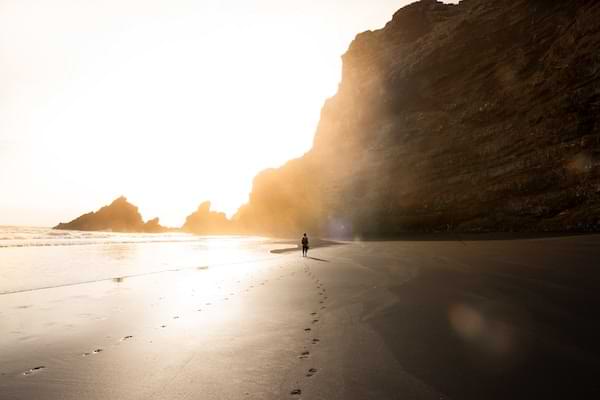
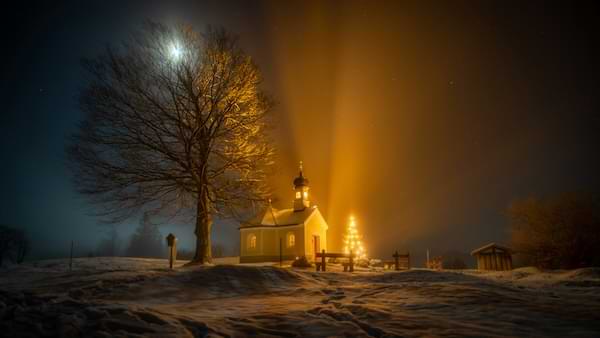
Photo by andreas kretschmer on Unsplash
Waiting for the Peace of God
While Janet takes a break from blog writing for the holidays, we hope you will enjoy an excerpt from her latest Advent devotional over the next few weeks. If you haven’t yet ordered your copy of Waiting for Christmas, we still have a few copies available. Order your copy here.
____________________________________________________________
Waiting for the Peace of God
Entry from December 3
The shepherds were in the field when a host of angels appeared praising God and saying, “Glory to God in the highest, and on earth peace among those with whom he is pleased!” (Luke 2:14). Peace and joy are important themes in our Christmas story.
During their four hundred years of waiting for the Messiah, the Jewish people yearned and prayed for peace. It was a difficult time in Israel under the Greco-Roman rulers. Some of the most difficult years occurred about halfway through the intertestamental period. According to the Museum of the Bible’s website,
“It was 167 BC, Mattathias the Hasmonean was a Jew and he was furious. The king who reigned over the region had sent his officers to Mattathias’s hometown in Judea. The officers were trying to force Mattathias, his five sons, and their neighbors to perform sacrifices to their gods. When another Jew stepped forward to make the sacrifice, Mattathias killed him on the altar. The king’s officer was next. Finally, Mattathias tore down the altar. The Hasmonean Revolt was born. Over a century earlier, Hellenistic forces had taken control of Judea and forced their culture and religion upon the people. According to the first book of Maccabees, one of the Hellenistic kings defiled the temple, forbade circumcision, and even set up altars to his gods. Some Jews went along with the changes. Others, like Mattathias, fought to remain faithful to the Law. The revolt is also known by the name Maccabee, after the most renowned of Mattathias’s sons, Judah the Maccabee (which means “Judah the hammer”). When Mattathias died, two years into the revolt, his sons carried on. In the end, the Maccabees recaptured Jerusalem and regained their freedom. The festival of Hanukkah celebrates the restoration of the temple. The family of Mattathias and Judah ruled until the rise of the Herods in 63 BC. The Maccabean revolt was seared into Jewish memory. It shaped the way first-century Jews thought about foreign powers and faithfulness to the Law (“The Story of the Maccabees,” Museum of the Bible, accessed June 27, 2025).”
While we celebrate the Messiah’s birth, many will celebrate the victory that Hanukkah recalls instead. Peace during the Christmas season is an important aim, but true peace isn’t found in the absence of troubles. God’s peace is experienced through the presence of the Holy Spirit in our lives. Jesus spoke to his disciples saying, “Peace I leave with you; my peace I give to you. Not as the world gives do I give to you. Let not your hearts be troubled, neither let them be afraid” (John 14:27).
When the birth of Jesus was announced to the shepherds, the angels praised God, announcing his peace to those with whom God was pleased. The peace of Christmas is the peace of Christ that transcends the troubles of this world. Who do you know that needs the peace of Jesus this Christmas season?
Let’s pray for his peace to permeate our holiday with his joy and purpose. God has always fought for his children so they could live their best lives. His goal is to give us the peace that Jesus was born to provide. May this be a peace-filled day of great joy because you spend it faithfully, protected and loved through the holy presence of Christ.